Travel tips
Is Bali expensive? The real cost of paradise in 2025
Bali can be incredibly cheap or as expensive as a European resort, depending entirely on where you step. A budget traveler can easily get by on $30 a day, while a mid-range comfort trip costs around $70 to $120 daily. The key is recognizing where locals eat and shop versus where the massive tourist markups are applied.
Bali has a reputation that swings wildly between two extremes. To some, it is the ultimate budget paradise where you can live like royalty for pennies. To others, it is an overpriced influencer playground where a single green juice costs the same as it does in West London.
The truth is that both Balis exist side by side. You can eat a spectacular meal for $2, or you can spend $150 on entry to a beach club. Because the price gap between what locals pay and what tourists are charged is wider here than almost anywhere else, it is incredibly easy to overpay without realizing it. I built TruePrice to help travelers spot these discrepancies. Let us break down what things actually cost on the ground.
How much does a day in Bali actually cost?
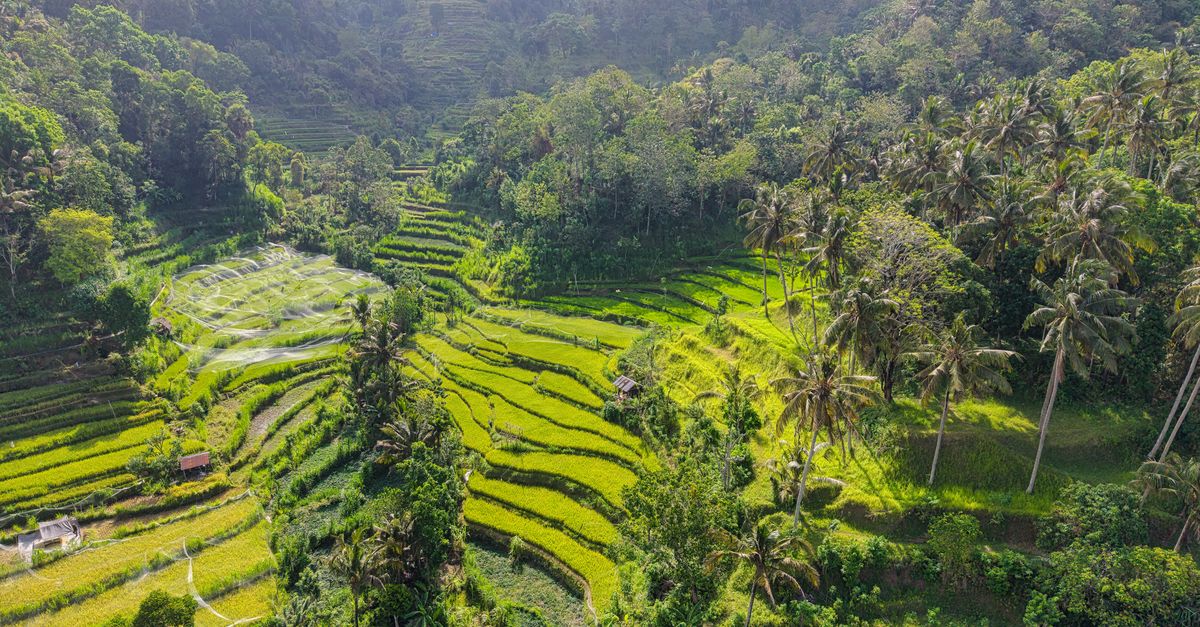
Your daily spend depends heavily on your travel style and, more importantly, where you choose to base yourself. Canggu, Seminyak, and Uluwatu are high-cost zones. Ubud is mid-range, while areas like Sidemen, Munduk, or East Bali offer classic, low-cost Balinese prices.
A budget traveler staying in homestays, eating at local warungs, and riding a scooter can comfortably get by on $30 a day. A mid-range traveler who wants an air-conditioned cafe breakfast, a nice guesthouse with a pool, a couple of Bintangs at sunset, and dinner at a trendy restaurant will spend around $85 a day.
Accommodation costs from beach hostels to private villas
Where you sleep will be your biggest expense. Bali has an incredible range of accommodation, but the market has become highly segmented.
If you are on a budget, look for a pondok wisata (a locally owned guesthouse). These are often beautiful, clean rooms set inside family compounds, costing between 250,000 IDR and 450,000 IDR ($16 to $29 USD) per night, often including breakfast.
For mid-range travelers, a private room in a boutique hotel or a shared villa in Canggu or Bingin runs between 800,000 IDR and 1,800,000 IDR ($51 to $115 USD).
If you want a private two-bedroom villa with a pool in a prime location, expect to pay upwards of 3,000,000 IDR ($190 USD) per night. In remote areas like Amed or Lovina, those same prices drop by almost half.
Food and drink prices: Warungs versus beach clubs
The food scene in Bali is world-class, but the price disparity is massive.
At a local warung (a small Indonesian restaurant), a plate of nasi campur (rice with a selection of meats, vegetables, and tempeh) costs between 20,000 IDR and 40,000 IDR ($1.30 to $2.60 USD). It is delicious, freshly prepared, and incredibly cheap.
In contrast, step into an aesthetic cafe in Canggu for brunch. A plate of avocado toast with poached eggs will cost 90,000 IDR ($5.80 USD). Add a flat white for 45,000 IDR ($2.90 USD), plus the standard 15% to 21% government tax and service charge, and your simple breakfast costs over $10 USD.
Alcohol is highly taxed in Indonesia. A small bottle of Bintang beer costs about 30,000 IDR ($1.90 USD) at a local convenience store or warung, but climbs to 70,000 IDR ($4.50 USD) at a beach club. Imported spirits and wine are major budget-killers: a basic cocktail at an upscale bar in Seminyak will easily run you 150,000 IDR ($9.60 USD) before tax.
Transport costs and avoiding the taxi mafia
Getting around Bali requires strategy. There is virtually no public transport, meaning you must choose between renting a scooter or hiring drivers.
Renting a scooter is the most popular option. A standard Honda Vario or Scoopy costs around 80,000 IDR to 120,000 IDR ($5 to $8 USD) per day. If you rent monthly, you can get this down to about 1,500,000 IDR ($96 USD). Always wear a helmet: police frequently fine tourists without them, and medical bills from scooter accidents are the number one source of travel insurance claims here.
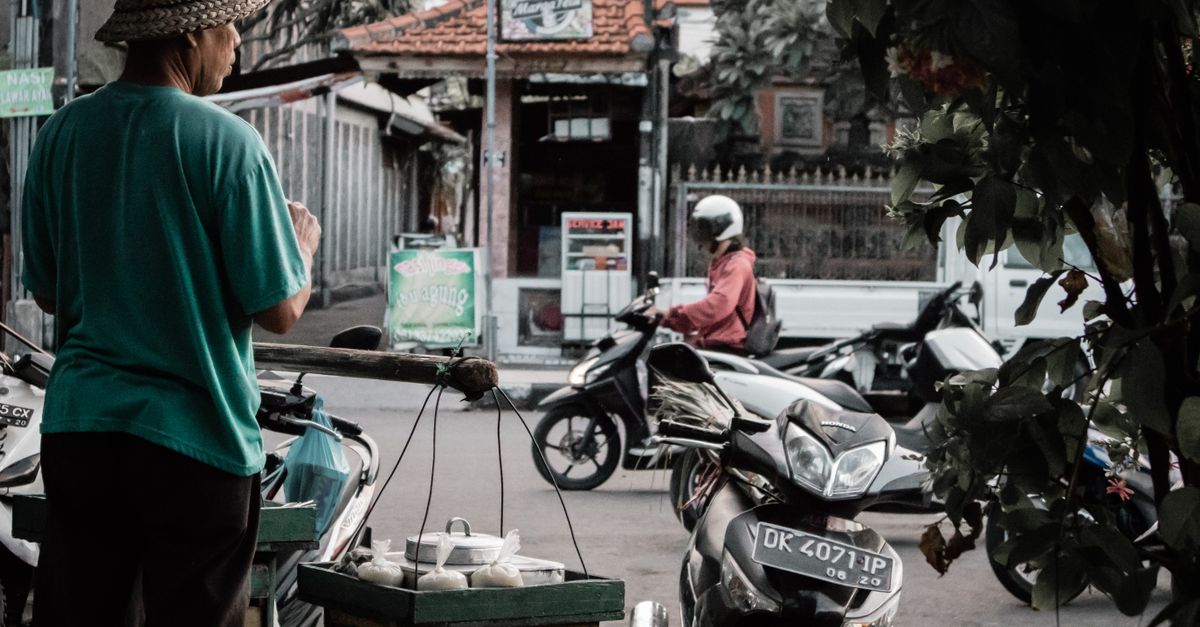
If you do not ride a scooter, you will rely on ride-hailing apps like Grab and Gojek. They are incredibly cheap and transparent. A 20-minute car ride might cost 60,000 IDR ($3.80 USD).
However, local taxi mafias operate in certain tourist zones like Ubud, Canggu, and Uluwatu. They ban Grab and Gojek drivers from picking up passengers, forcing you to use local private drivers who charge up to four times the app rate. To avoid this, walk a few hundred meters away from the designated no-go zones before booking your ride on the app.
Activities, temples, and massage prices
Bali offers incredible value for leisure activities if you know the fair rates. A one-hour Balinese massage at a clean, local spa should cost between 100,000 IDR and 150,000 IDR ($6.40 to $9.60 USD). If you go to a luxury wellness center, that price can jump to 600,000 IDR ($38 USD) or more.
Temple entrance fees are regulated but vary. Expect to pay 50,000 IDR ($3.20 USD) for Tanah Lot and 100,000 IDR ($6.40 USD) for Uluwatu Temple. Surfboard rentals on Kuta or Canggu beach cost around 50,000 IDR to 100,000 IDR ($3.20 to $6.40 USD) for two hours.
| Item / Activity | Fair Local Price (IDR) | Tourist / Markup Price (IDR) | How to save |
|---|---|---|---|
| One-hour massage | 100,000 | 300,000+ | Skip the fancy hotel spa; walk to a highly rated local street spa. |
| Day-use private driver | 700,000 | 1,200,000 | Book directly through Grab or ask local guesthouse hosts for a recommendation. |
| 2-hour surfboard rental | 50,000 | 150,000 | Barter politely before taking the board; never pay upfront without agreeing the time. |
| Mount Batur sunrise trek | 350,000 | 900,000+ | Book through local operators in Kintamani or online platforms rather than hotel desks. |
| Sim card (30GB data) | 150,000 | 350,000+ | Avoid buying at the airport terminal. Buy at an official Telkomsel store in town. |
How to avoid getting ripped off in Bali
The easiest way to blow your budget in Bali is by falling for common markups and minor scams.
First, watch out for currency exchange booths. Never use booths that advertise “no commission” with exchange rates that look too good to be true. These are often short-change schemes where clerks use sleight of hand to drop bills under the counter. Only use authorized changers like Central Kuta or BMC, which have clear security cameras and professional counters.
Second, always check restaurant menus for tax and service charges. Many Western-style cafes add an extra 10% government tax and a 5% to 11% service charge to the final bill. This can turn a seemingly reasonable meal into a much more expensive affair.
Finally, keep your phone secure. Phone snatching by thieves on passing scooters is common in Canggu and Seminyak. Hold your phone on the side away from the road, and never look at maps while standing right on the curb.
By understanding these basic costs and keeping an eye out for tourist markups, you can experience the absolute best of Bali without overpaying.
To keep track of fair prices for transport, food, and activities while you travel, download TruePrice free: https://truepriceapp.com



Frequently asked questions
Is Bali still cheap to visit?
Yes, Bali remains very affordable compared to Western countries, but prices in high-traffic tourist areas like Canggu and Uluwatu have risen significantly. You can still easily find $2 meals and $20 rooms if you step slightly off the main tourist strips.
How much cash should I carry daily in Bali?
Carrying 300,000 IDR to 500,000 IDR (about $20 to $32 USD) in cash daily is usually plenty for minor expenses, local warungs, and parking fees. Most modern cafes, hotels, and beach clubs accept international credit cards.
What is a fair price for a private driver in Bali?
A fair price for a private car and driver for a full 8 to 10-hour day trip is between 600,000 IDR and 800,000 IDR ($38 to $51 USD), depending on the distance. This rate typically includes petrol and parking.
Are Grab and Gojek cheaper than local taxis in Bali?
Yes, ride-hailing apps like Grab and Gojek are usually 50% to 70% cheaper than local street taxis or private drivers. They also show you a fixed price upfront, saving you from having to negotiate.
Do I need to tip in Bali?
Tipping is not traditionally part of Balinese culture, but it is highly appreciated. Many mid-range and high-end restaurants already add a 5% to 10% service charge to your bill, so checking the receipt first is recommended.
Check fair prices anywhere
TruePrice is free on the App Store and Google Play.