Price guide
The real cost of living in mexico: a practical guide for nomads and expats
A comfortable life in Mexico costs between $1,200 and $2,500 USD per month depending on the city. While local spots offer incredible value, tourist hotspots like Playa del Carmen and Cancun can easily double your daily expenses if you are not careful.
Mexico has become the go-to spot for digital nomads and retirees. The warm weather, the rich culture, and the promise of a lower cost of living are hard to resist. But if you pack your bags expecting everything to cost pennies, you are in for a sharp wake-up call.
I built TruePrice because I saw too many travelers getting hit with what locals call the “gringo tax.” The truth is, the cost of living in Mexico varies wildly depending on where you set up camp and how you shop. Let’s look at the real numbers so you can plan a realistic budget.
How much does it actually cost to live in Mexico?
Your monthly expenses will depend entirely on your lifestyle. If you want to live like a local in a mid-sized city, you can easily get by on $1,000 to $1,300 USD per month. If you want a modern apartment in the trendiest neighborhood of Mexico City or a beachside condo in Tulum, you should prepare to spend at least $2,200 to $3,500 USD per month.
For a comfortable, mid-range nomad lifestyle: eating out frequently, renting a nice one-bedroom apartment, and traveling on weekends: a realistic monthly budget is around $1,600 to $2,200 USD.
What are the rent prices in Mexico across different regions?
Rent will be your single largest expense. In Mexico City (CDMX), neighborhoods like Roma Norte and Condesa have seen prices skyrocket due to the influx of remote workers. A modern one-bedroom apartment there will set you back $1,200 to $1,800 USD per month. If you move just a few neighborhoods over to Narvarte or San Rafael, that price drops to $700 or $900 USD.
Coastal hotspots like Playa del Carmen and Puerto Vallarta are similarly divided. Renting a block from the beach in Playa costs around $1,200 to $1,600 USD, while living past the highway (where locals actually live) drops the price to $500 or $700 USD.
If you want the best value, colonial gems like Oaxaca, Merida, and Guanajuato offer beautiful apartments for $500 to $800 USD per month.
How much should you budget for food and groceries?
Food is where you can either save a fortune or spend exactly what you would at home. If you buy your groceries at major chains like Chedraui Selecto or Walmart, and eat at trendy cafes, your food bill will look very Western.
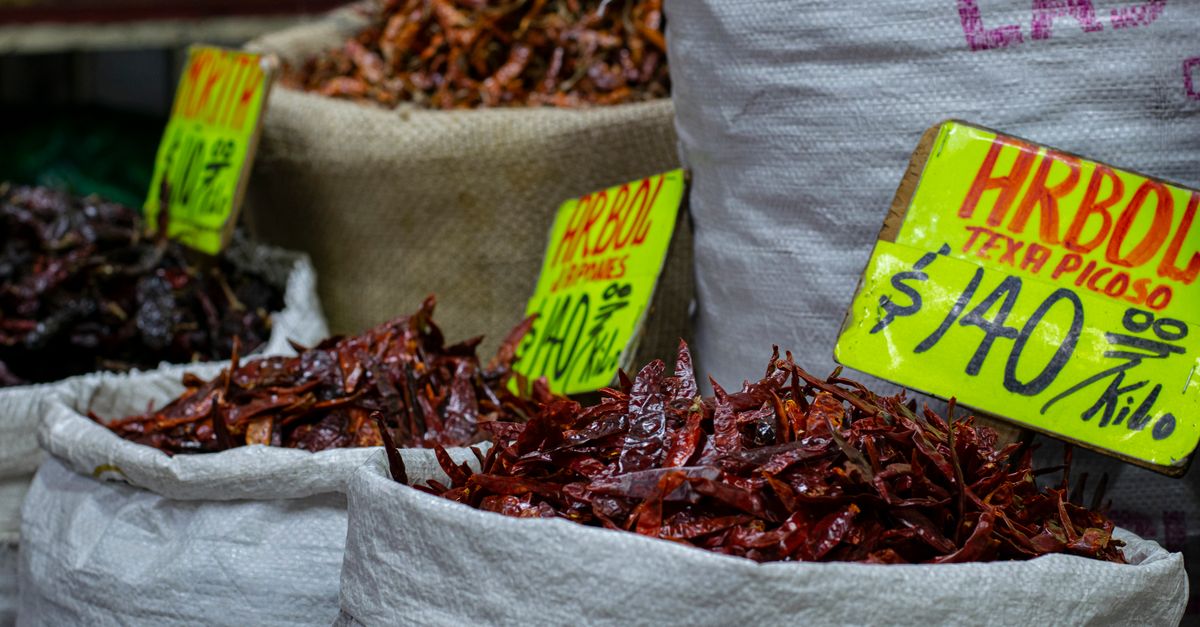
To keep costs low, buy your fresh produce at local mercados (markets) or weekly street markets called tianguis. A week’s worth of fresh fruits, vegetables, eggs, and local cheese for one person at a mercado rarely exceeds $25 USD (450 MXN).
Dining out has a massive price spread. A plate of three street tacos and a fresh agua fresca at a local stand costs about $4 to $5 USD (70-90 MXN). A single main course at a hipster bistro in Roma Norte or a beach club in Cancun can easily cost $20 to $35 USD (360-630 MXN).
Why do Playa del Carmen and Cancun cost so much more?
The Riviera Maya operates on a completely different economic scale than the rest of Mexico. In places like Cancun, Playa del Carmen, and Tulum, you are not paying Mexican prices: you are paying Caribbean resort prices.
This is driven by short-term tourism. Landlords prefer renting apartments on Airbnb for $100 USD a night rather than renting to a long-term tenant for $800 USD a month. Restaurants along Playa’s Fifth Avenue (Quinta Avenida) or the Cancun Hotel Zone price their menus in US dollars and expect American-style tips of 15% to 20% (the standard Mexican tip is 10% to 15%).
If you live in these areas, you must learn to step away from the tourist strips. Walk four blocks inland from the beach in Playa, past Avenida 30, and you will find local restaurants where a meal costs a third of the beachside price.
What does a realistic monthly budget look like?
To give you a clear picture of your potential expenses, here is a breakdown comparing a budget-conscious lifestyle in a cultural hub like Oaxaca versus a beach-nomad lifestyle in Playa del Carmen.
| Expense Category | Oaxaca (Budget/Local) | Playa del Carmen (Nomad/Beach) | Notes |
|---|---|---|---|
| Rent (1-bed apartment) | $600 USD (10,800 MXN) | $1,300 USD (23,400 MXN) | Oaxaca is a central apartment; Playa is near the beach. |
| Utilities & Internet | $50 USD (900 MXN) | $120 USD (2,160 MXN) | Playa requires heavy AC usage, which is expensive. |
| Groceries (Local markets) | $120 USD (2,160 MXN) | $200 USD (3,600 MXN) | Playa supermarkets are more expensive. |
| Dining Out & Drinks | $150 USD (2,700 MXN) | $400 USD (7,200 MXN) | Oaxaca has cheap street food; Playa has beach clubs. |
| Transport (Taxis/Colectivos) | $40 USD (720 MXN) | $80 USD (1,440 MXN) | Playa taxis charge high rates to foreigners. |
| Co-working / Cafe visits | $0 USD (work from home) | $150 USD (2,700 MXN) | Co-working spaces are common in Playa. |
| Total Monthly Budget | $960 USD (17,280 MXN) | $2,250 USD (40,500 MXN) | Prices based on typical expat averages. |
How can you avoid paying the tourist tax in Mexico?
The easiest way to inflate your cost of living is to accept the first price you are quoted. In Mexico, dynamic pricing is common for foreigners. Taxis do not use meters in most cities, so you must agree on a price before you get in. If you do not know the local rate, you will easily pay double or triple.
Always pay in Mexican Pesos (MXN). If a business offers to charge your card in USD, always decline and choose MXN: otherwise, their bank will use a terrible exchange rate.
Shopping at local markets is not just cheaper, it keeps money in the community. Ask for prices per kilo and pay attention to what the locals in front of you are paying.
Finally, use tools to keep yourself calibrated. I built TruePrice to solve this exact problem. It gives you a reality check on what things should actually cost on the ground, helping you spot when a taxi driver or a beachside restaurant is inflating the bill just because you look like a tourist.
To keep your expenses on track and avoid getting ripped off, download TruePrice free at https://truepriceapp.com. It is the easiest way to make sure you are paying what locals pay, whether you are buying a fresh coconut on the beach or hailing a cab in the city.



Frequently asked questions
Is Mexico still cheap to live in?
Yes, compared to the US or Western Europe, Mexico remains highly affordable. However, popular areas like Mexico City, Tulum, and Cancun have seen significant price inflation, making them much more expensive than rural or less-touristy states.
How much money do you need to live comfortably in Mexico?
For a single person, a budget of $1,500 to $2,000 USD per month provides a very comfortable lifestyle with a nice apartment, regular dining out, and weekend trips. You can live on less than $1,000 USD if you choose smaller cities and cook at home.
Why is electricity so expensive in places like Playa del Carmen?
Electricity in Mexico is subsidized up to a certain usage limit. In hot coastal areas, running your air conditioning constantly will push you into the high-consumption tariff (DAC), which can easily result in utility bills of $150 to $300 USD per month.
Do you need to tip in Mexico?
Yes, tipping is customary in restaurants. The standard rate is 10% to 15% for good service. Avoid tipping 20% or more unless the service was exceptional, as this inflates expectations and drives up prices for everyone.
Can you negotiate prices in Mexico?
You can negotiate prices at informal markets (tianguis) and with taxi drivers before you get in. However, you should never attempt to negotiate prices in supermarkets, established retail stores, or sit-down restaurants.
Check fair prices anywhere
TruePrice is free on the App Store and Google Play.